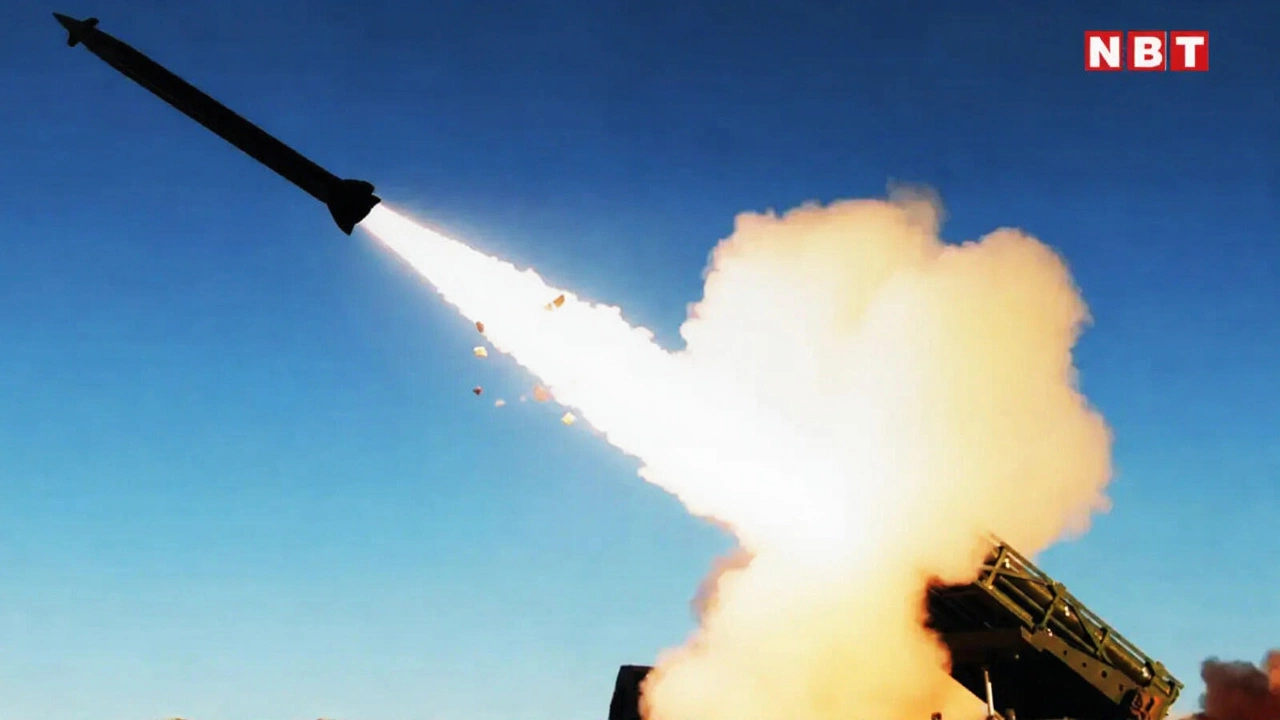
When Defence Research and Development Organisation (DRDO) launched the Suryastra rocket system for testing on May 18–19, expectations were sky-high. The twist? Instead of reaching its promised 300-kilometer range, the missile disintegrated after just 15 kilometers. This isn't just a technical glitch; it’s a potential blow to India’s ambitious Make in India defense initiative.
The incident took place at the Integrated Test Range in Chandipur, Odisha, a facility that has seen countless successful tests over the years. But this time, the outcome was starkly different. Military officials reported that the entire procurement and delivery process for this Israeli-linked system was completed in under six months—a record-breaking speed that now looks suspiciously rushed.
A Record-Breaking Deal Gone Wrong?
Here’s the thing: speed is usually celebrated in defense acquisitions. In this case, however, it raises serious questions about quality control. According to reports from Navbharat Times, the first batch of launchers was dispatched on May 23—just days after the failed flight tests. That’s an astonishingly short window between identifying a catastrophic failure and proceeding with deployment.
Military insiders describe this as possibly the fastest weapon acquisition in Indian history. But when you’re dealing with missiles designed to strike targets hundreds of kilometers away, cutting corners can be deadly. The Suryastra system was supposed to be a game-changer, offering long-range precision strikes. Instead, it turned into a cautionary tale about prioritizing speed over safety.
Who Is Behind the Suryastra System?
The report points fingers at an unnamed Israeli company involved in supplying the technology. While the specific firm hasn’t been named, India-Israel defense ties have deepened significantly in recent years. Both nations are exploring joint manufacturing models under the “Make in India for the World” framework, aiming to produce high-tech drones, missile systems, and other advanced platforms domestically.
This collaboration is part of a broader strategy to reduce reliance on foreign imports while boosting local industry. A senior diplomat recently noted that shifts in defense manufacturing partnerships could become visible within six months to a year. Yet, incidents like the Suryastra failure threaten to undermine confidence in these efforts.

What Went Wrong Technically?
Details remain scarce, but the discrepancy between claimed capabilities and actual performance is glaring. Claiming a 300-kilometer range suggests sophisticated engineering, yet failing at 15 kilometers indicates fundamental flaws. Was it a design issue? Poor materials? Or inadequate testing protocols?
Experts suggest that such failures often stem from rushed development cycles. When timelines are compressed, critical checks may be skipped or overlooked. For instance, structural integrity tests might not have been conducted thoroughly enough to catch weaknesses early on. Alternatively, software glitches could have caused premature detonation mid-flight.
Impact on Make in India Initiative
The ripple effects extend beyond one malfunctioning missile. If citizens begin questioning whether imported technologies meet advertised standards, trust in government initiatives erodes quickly. Critics argue that this episode highlights vulnerabilities in how India evaluates and integrates foreign tech into its domestic programs.
On the flip side, supporters emphasize that setbacks are inevitable in complex projects. They point out that even established powers face similar challenges during new system deployments. What matters most is transparency and accountability moving forward.

Looking Ahead: Next Steps & Investigations
Authorities haven’t announced formal investigations yet, though they likely will soon. Expect detailed reviews of both the technical aspects and contractual agreements tied to the Suryastra project. Additionally, policymakers may revisit guidelines governing international collaborations under Make in India to ensure stricter oversight mechanisms going forward.
In the meantime, all eyes turn toward future trials. Will subsequent batches perform better? And more importantly, will lessons learned here prevent similar mishaps elsewhere? Only time will tell—but until then, skepticism lingers.
Frequently Asked Questions
Why did the Suryastra rocket fail so soon after launch?
The exact cause remains unclear, but experts speculate issues related to rushed development cycles or insufficient pre-launch testing. Structural weaknesses or software errors could also explain why the missile broke apart at only 15 kilometers instead of achieving its stated 300-kilometer range.
How does this affect India's Make in India program?
This failure casts doubt on the reliability of jointly developed defense systems under the Make in India banner. It underscores the need for rigorous evaluation processes before integrating foreign technologies into national security frameworks.
Which Israeli company supplied the Suryastra system?
The specific company hasn't been publicly identified. However, India has strengthened defense ties with several Israeli firms in recent years, focusing on co-development and localized production of advanced weaponry.
Was the procurement process unusually fast?
Yes, military sources indicate the entire acquisition—from negotiation to delivery—took less than six months. Such rapid timelines raise concerns about whether adequate due diligence was performed prior to implementation.
What happens next following this failure?
Expect thorough investigations into technical causes and contract terms. Policymakers may also implement stricter regulations for future international partnerships aimed at enhancing domestic defense manufacturing capabilities.